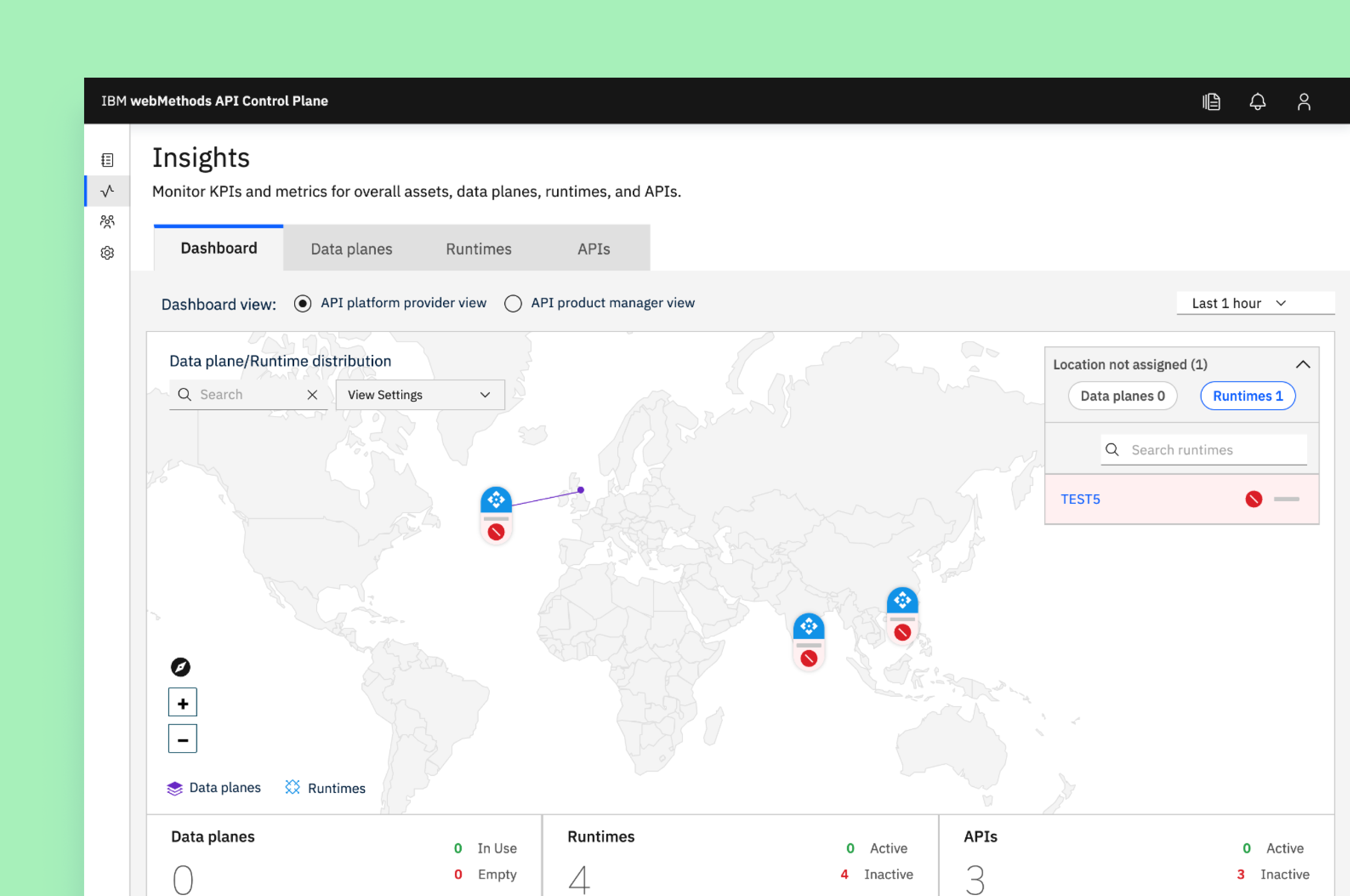
System adoption at scale — with teams who didn't choose it.
Eight products, nine months, one platform — strategy, governance, and earning trust from teams who didn't choose the system.
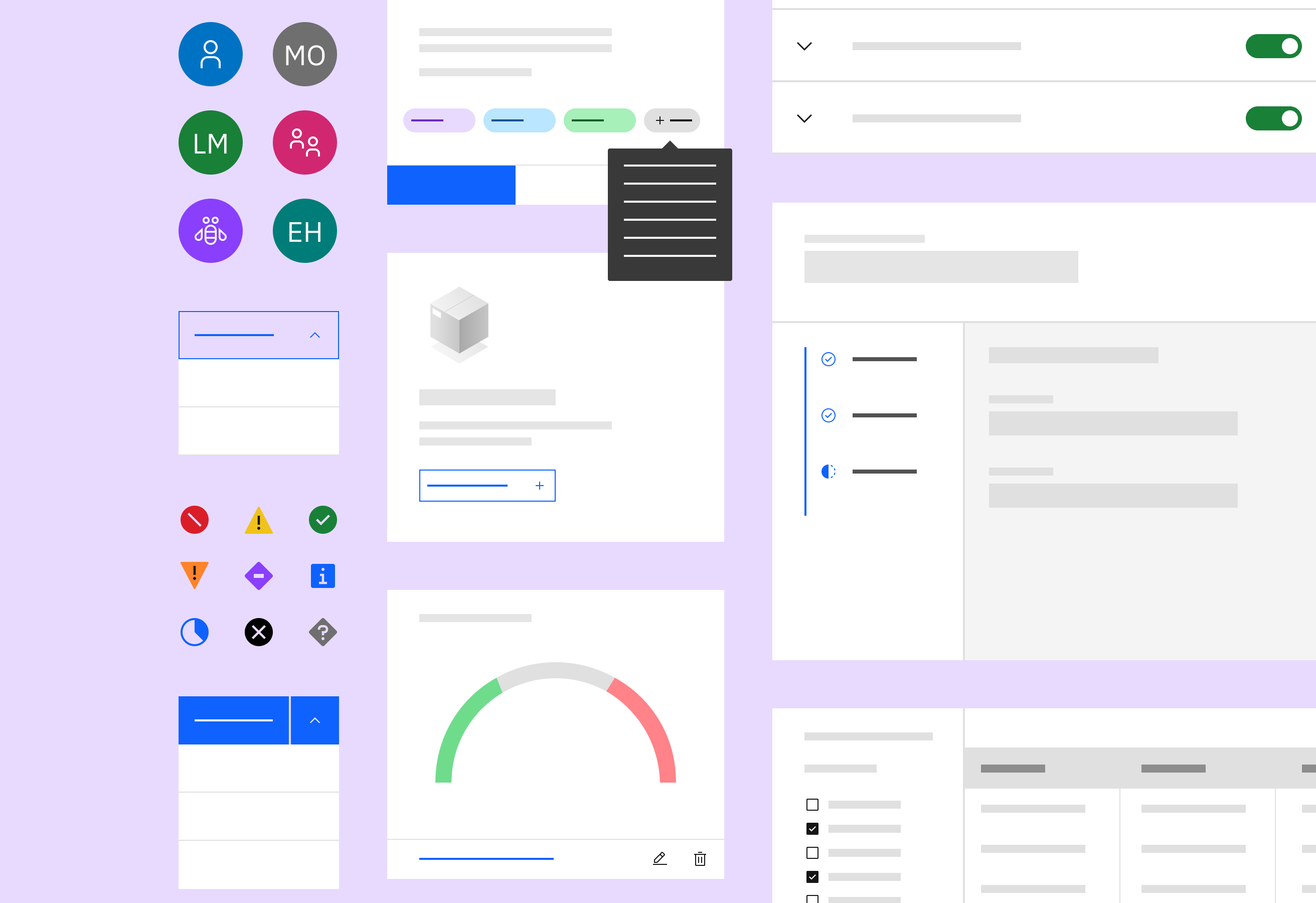
I led the team that gave IBM designers their design foundation.
30+ components, token architecture matched to the codebase, one lean team — and 165% adoption growth in five months.
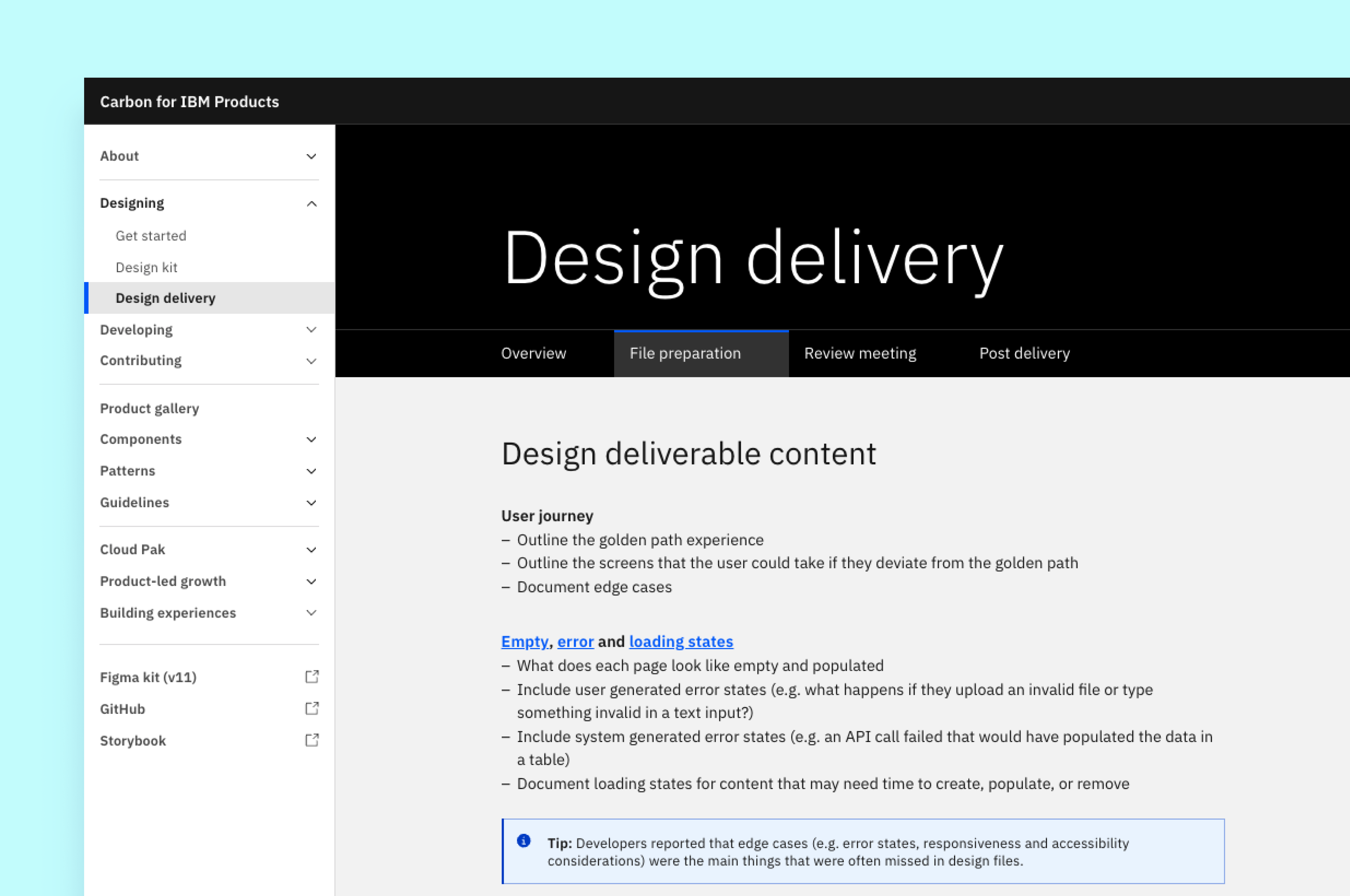
Good design dies in handoff. I found out why — and changed it.
Research across 100 developers, a systemic finding, and three interventions that changed how IBM teams deliver design.
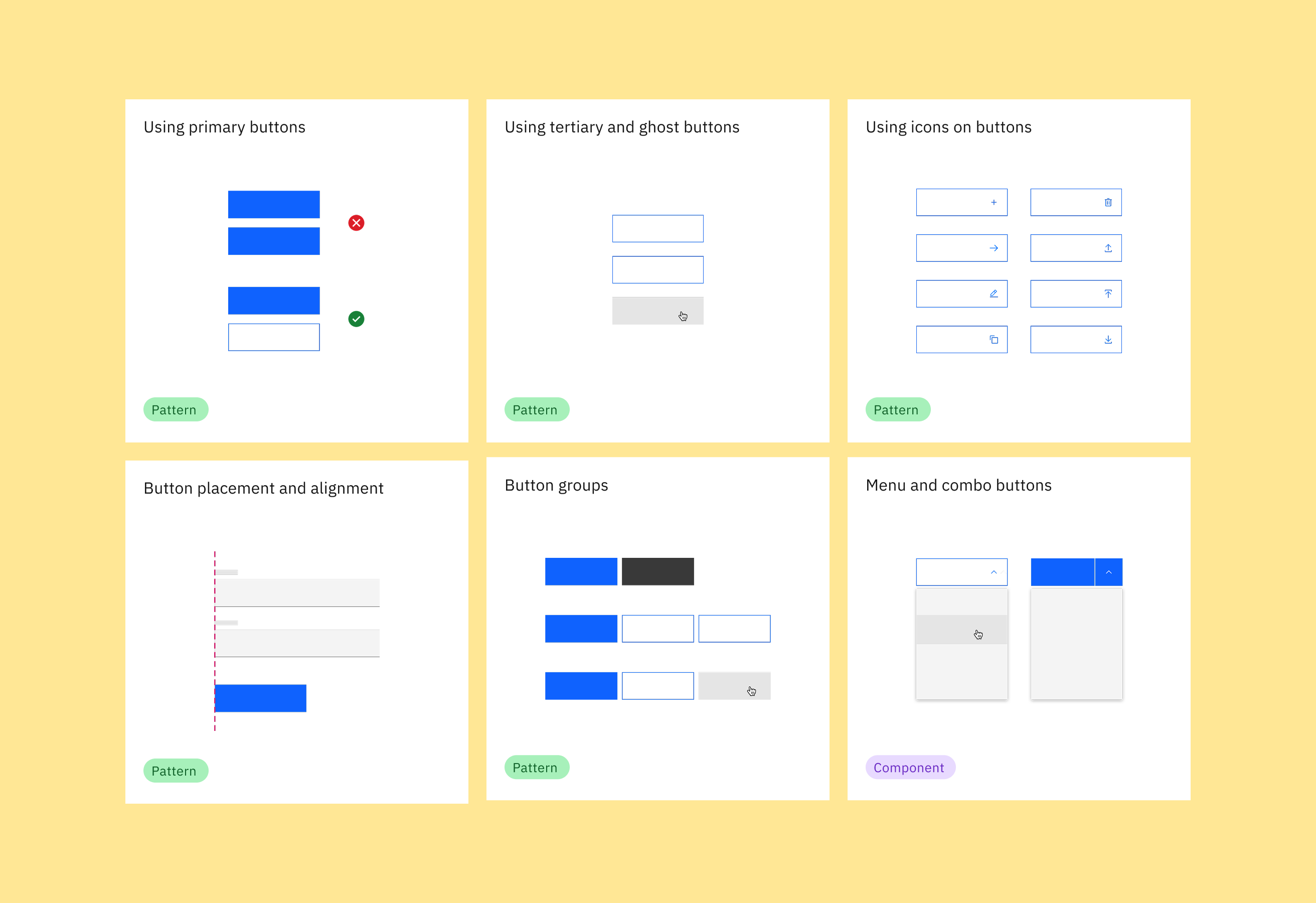
I found the gaps in the system and filled them.
Components, patterns, and guidance — contributed from within product teams and adopted as system-wide standards.
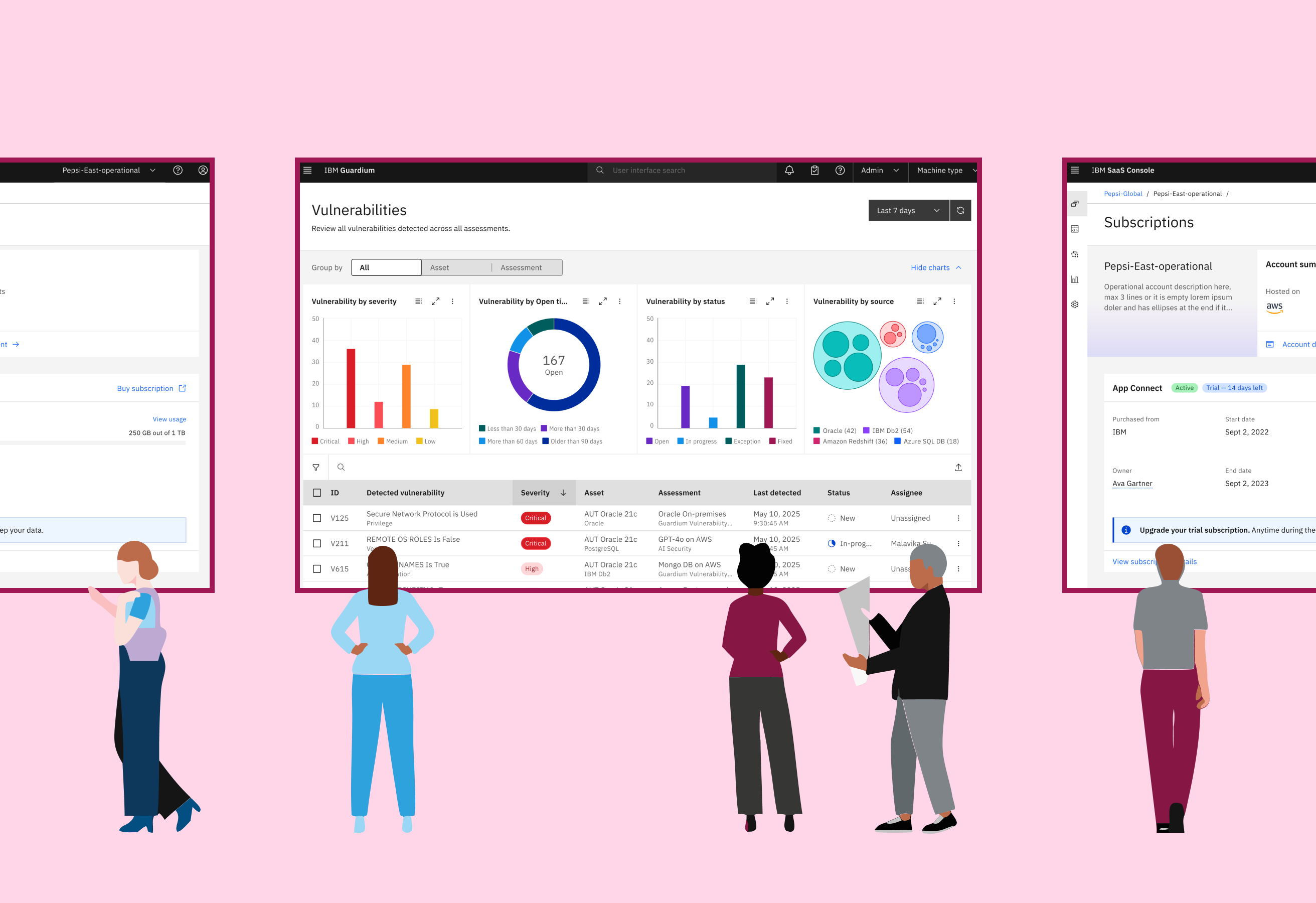
I built the infrastructure for design at scale.
A searchable gallery of IBM product experiences — making good design discoverable, reusable, and systematic.
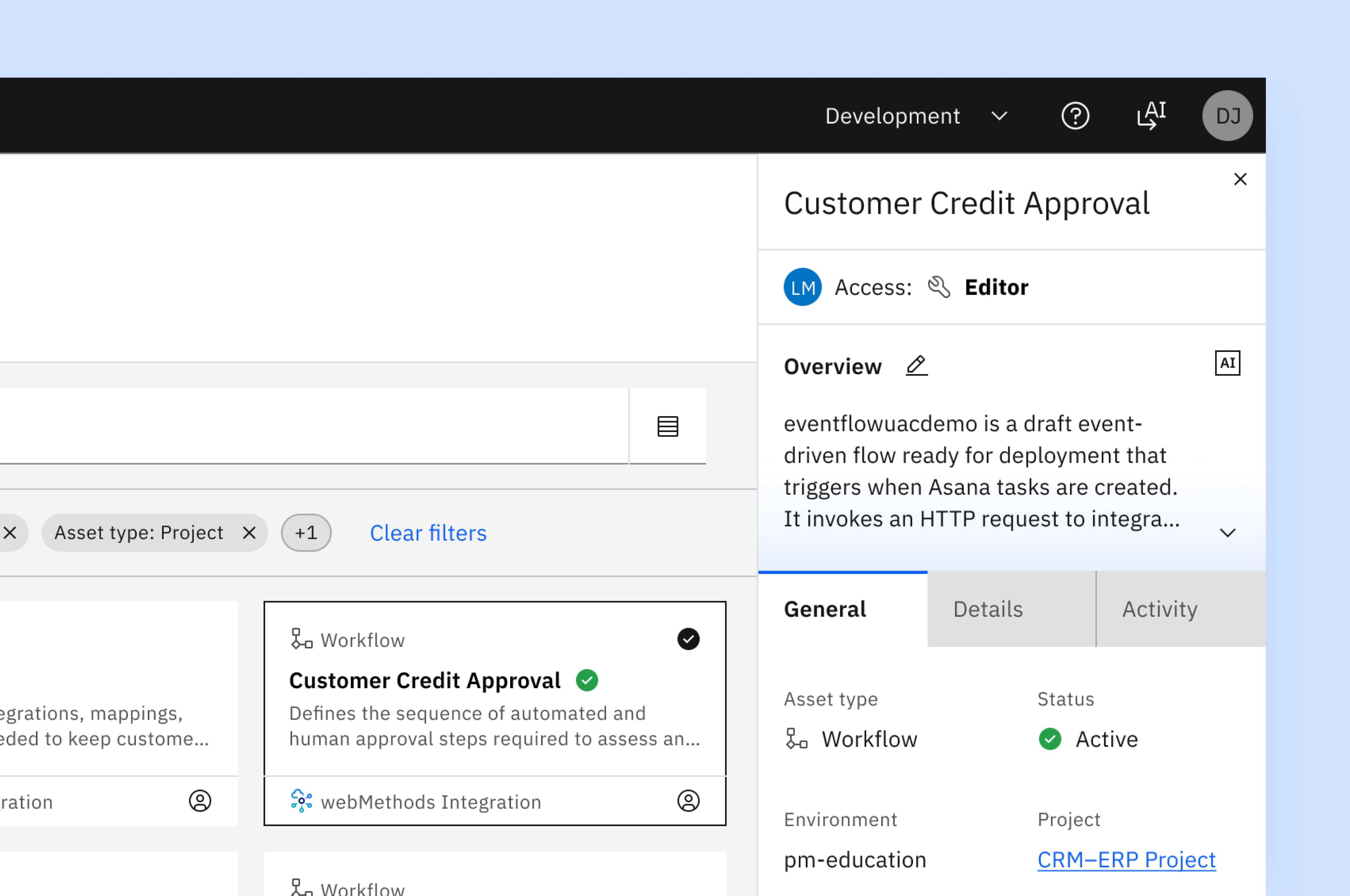
I design products. I also use AI to ship code.
Seven years across five IBM products — and when the handoff wasn't working, I stopped handing off and contributed the fixes myself.